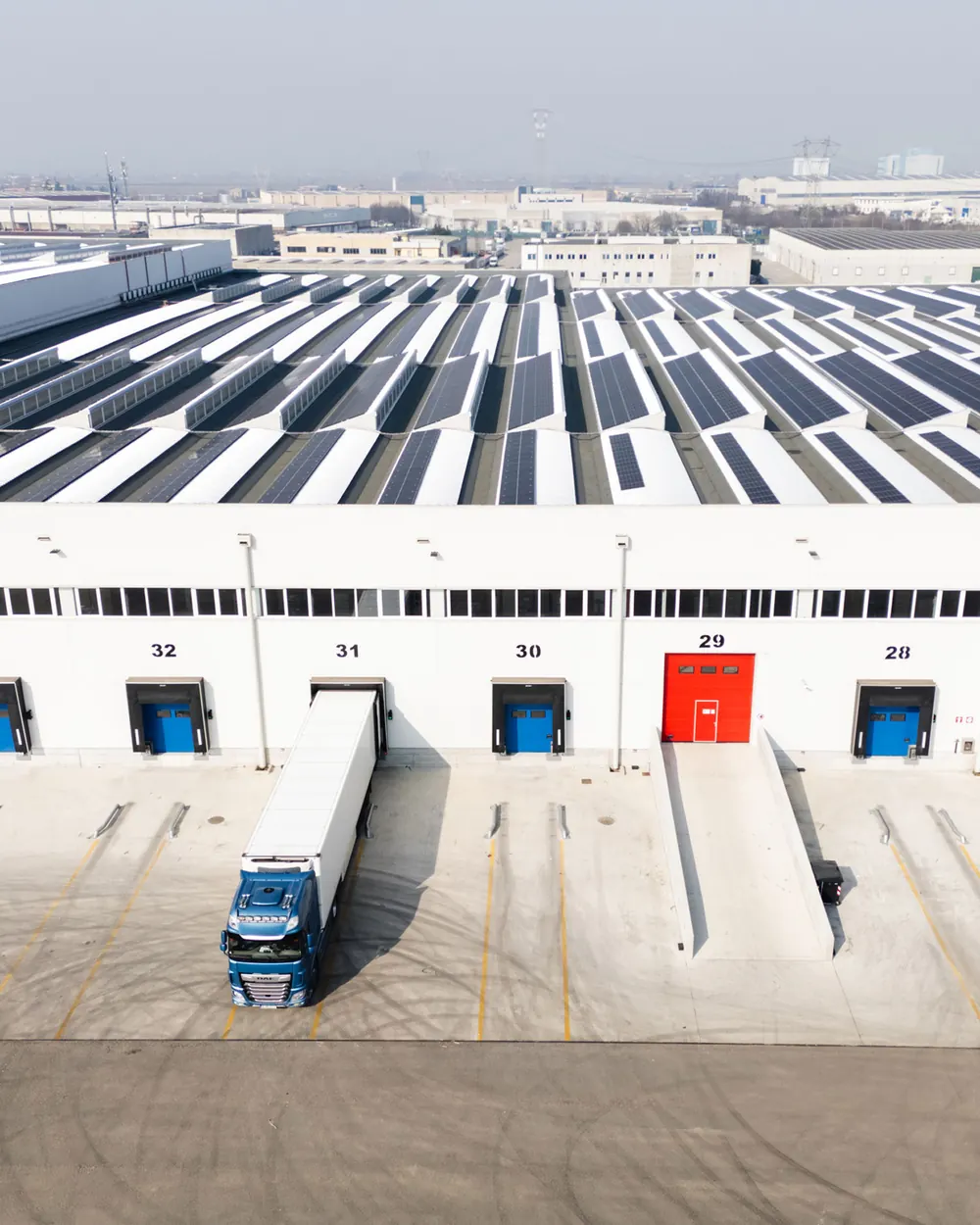
Advanced logistics and industrial development
We use technical cookies, which the site needs to work, and, only with your consent, Google Analytics statistics cookies to understand how the site is used. You can change your choice at any time from “Cookie preferences” at the bottom of the page. Cookie policy


Adjust the page to suit your needs. Your choices are saved on this device.
Your device already asks for reduced motion: animations are stopped.
To have these settings on every website, you can also turn them on in your device’s accessibility settings.

Inclusive design and accessibility
Products, systems and places designed for the widest range of people: from the bathroom series developed with Goman to accessibility programmes for museums and devices born of co-design with their users.
Design does not end with the building.
Every space is truly experienced through objects, interactions, movements and everyday relationships.
That is why part of the group’s research focuses on designing products and systems that improve accessibility, comfort, independence and the quality of the user experience.
The projects developed through Rodighiero.Design for All (opens in a new tab) combine industrial design, ergonomics and inclusion to create practical, durable solutions that fit easily into homes, shared spaces and workplaces.
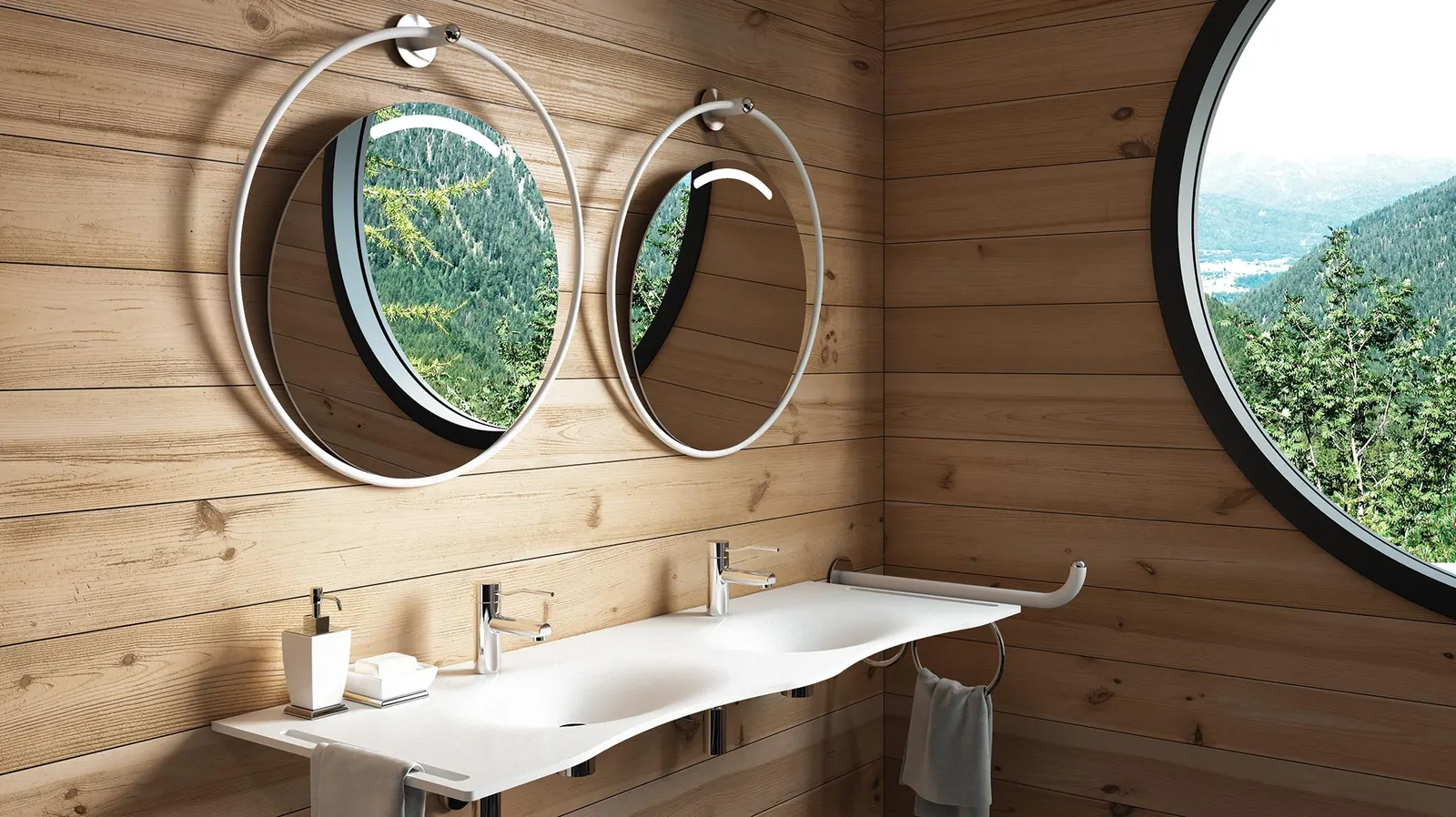
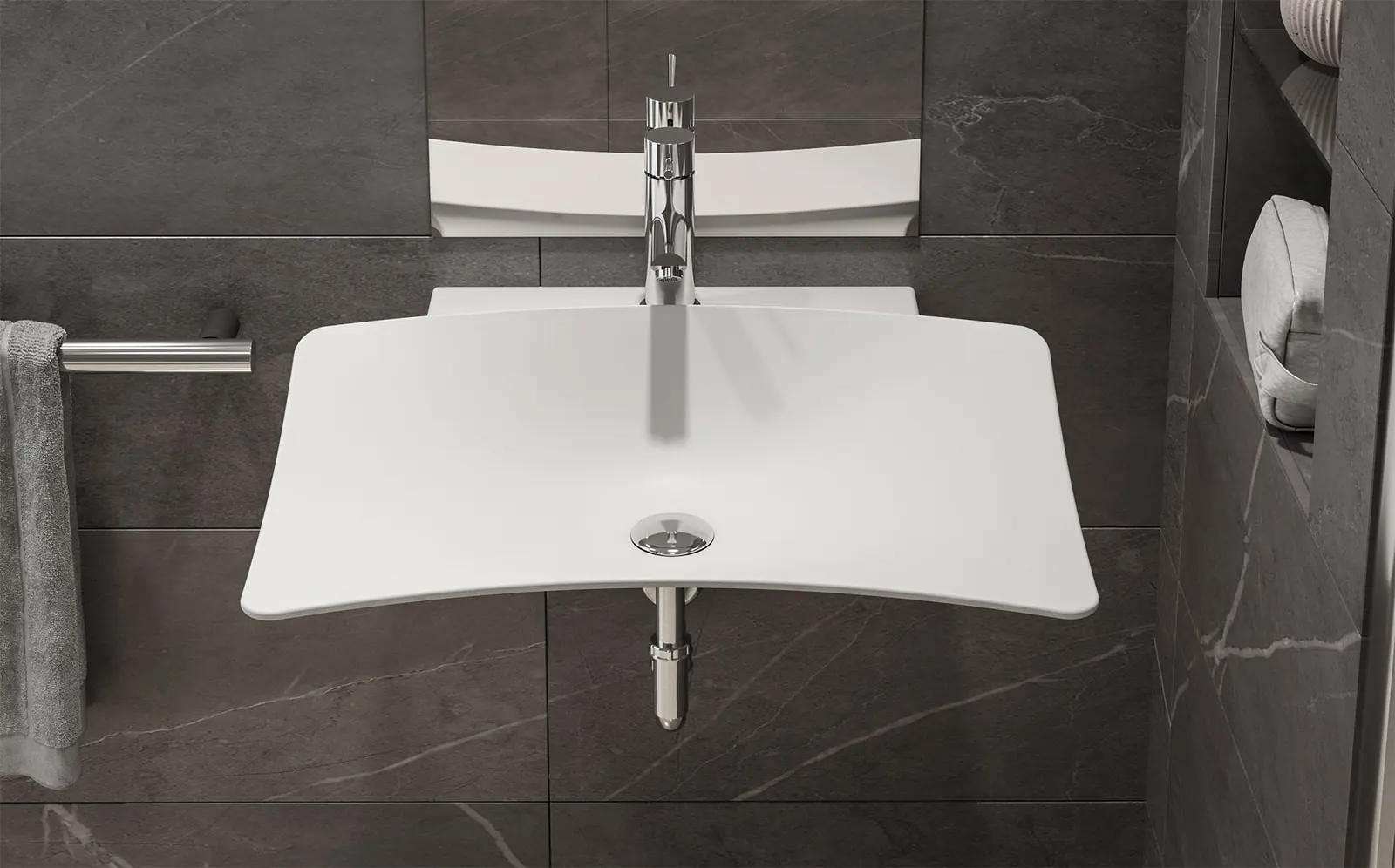
With Goman (opens in a new tab) the research took the form of a bathroom series: Flight, the universal washbasin in translucent Corian®; Flat, the made-to-measure washbasin; Prime, the first countertop washbasin coordinated with accessories and components, compliant with regulations and respectful of people’s dignity; Shine and the Giotto series, which move accessories from the realm of mobility aids to that of furniture.
Products are approached with the same approach we use for architecture: not as isolated elements, but as part of a wider system of people, spaces, functions and relationships.
Making a museum accessible does not simply mean removing physical barriers or adding panels and special devices to an experience that has already been defined. It means questioning the whole system.
For the Musei Civici di Bologna, as part of the programme developed by Design for All Italia (opens in a new tab), Rodighiero.Design for All contributed to the methodology and design of the process: 12 museum venues, more than 10 co-design workshops, and over 400 needs gathered and translated into design criteria.
The research focuses in particular on:
The method
Sherlock, the inclusive concierge developed with Hackability@Milano under the European ECOS4IN call, came out of an active co-design process with users with severe visual impairment: intuitive tactile navigation and structured audio descriptions of spaces, for accessible, independent wayfinding.
7 services, from product concept to communication, coordinated in a single process.
6 images: each opens enlarged, and the arrow keys move between them.
Accessibility, ergonomics, comfort and durability: let’s shape the project together, from concept to product communication.
Read aloud