


Housing and place
Housing as regional infrastructure
Why housing is about far more than construction: homes as a driver of a region’s competitiveness, attractiveness and future.
by Massimo Rodighiero5-minute read
Why housing is about far more than construction
For a long time, housing was seen mainly as a private matter.
A problem for families, the property market and lending or, at most, for social policy.
That is no longer the case. The availability of affordable, efficient, well-located homes has become one of the main factors determining a region’s ability to attract people, businesses, investment and opportunity.
That is why housing should be considered genuine strategic infrastructure, no less important than a road network, a railway line, an energy system or a digital connection.

When housing runs short, a region stalls
In recent years many economically dynamic areas have begun to face an increasingly obvious contradiction. On one side, demand for labour is growing; on the other, it is ever harder to find suitable housing at affordable prices.
As a result, people, families and workers struggle to move to the places that offer the greatest economic opportunities. In some cases, businesses find it hard to recruit skilled staff not for lack of jobs, but for lack of homes.
This is no longer a phenomenon confined to big cities. Productive areas such as Brescia, Bergamo, Verona and Mantua are also starting to face growing tension between housing demand, the supply of property and what households can afford.
The housing question is therefore taking on an economic and territorial dimension that goes far beyond the property market alone.
Housing as a driver of competitiveness
Every region competes to attract businesses, talent and investment, and to keep its young people. In this context, the quality of the housing on offer becomes decisive.
An efficient housing system allows people to live close to where they work, reduces commuting, improves quality of life and helps build more stable, resilient communities.
A shortage of homes, on the other hand, drives up prices, forces people into long commutes and steadily erodes a region’s attractiveness and competitiveness.
Housing is therefore increasingly one of the tools through which a region builds its future.
Not just quantity: quality matters too
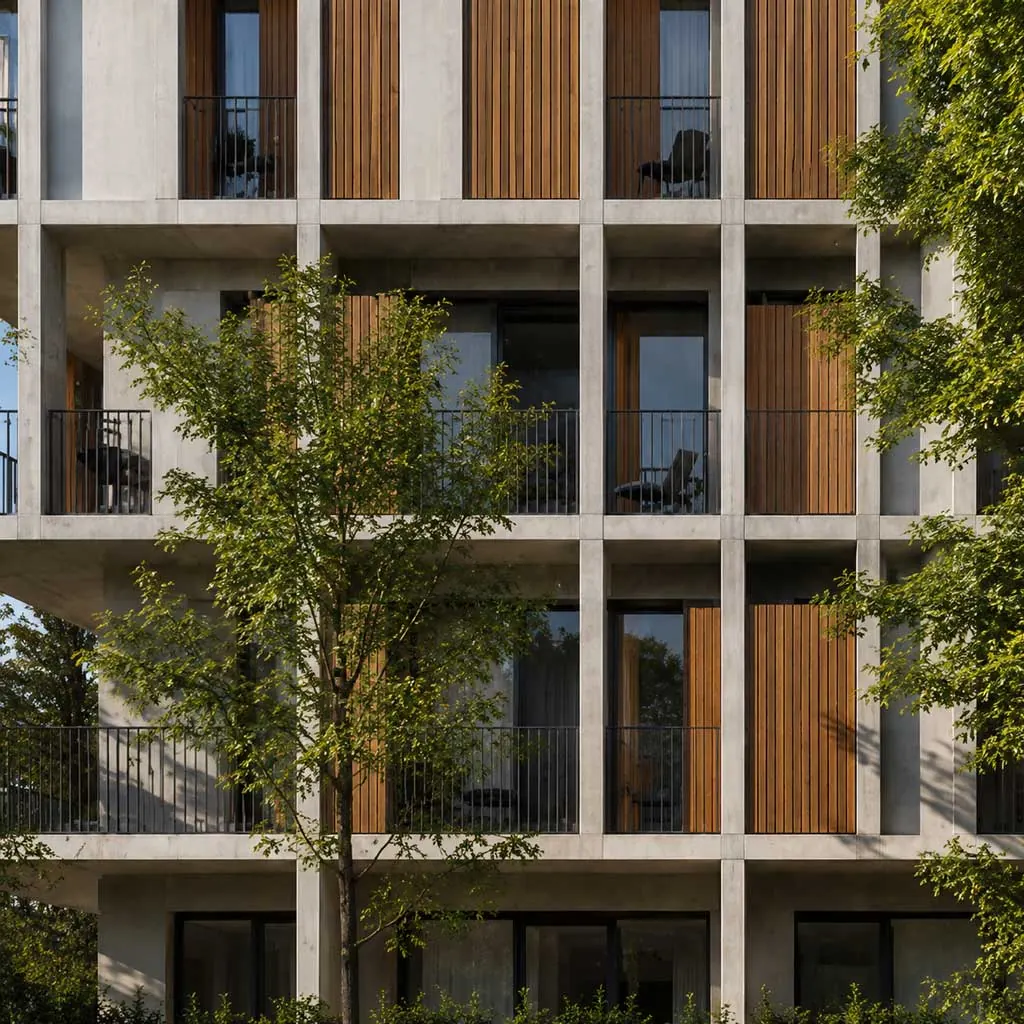
Faced with the housing crisis (opens in a new tab), the most immediate response is often to build more. Supply certainly needs to grow, but it is just as important to question the quality and location of what is built.
The home of the future will need to be affordable, energy efficient, financially sustainable, connected to services and transport, and adaptable over time.
New construction will therefore need to go hand in hand with urban regeneration, the reuse of existing buildings and the transformation of underused sites, because many of the answers to the housing problem are already within our cities.

The role of urban regeneration
Over recent decades, many industrial, retail and office buildings have lost the function they were built for. Many of them occupy strategic locations and already have the main infrastructure they need.
Regenerating them therefore means reducing land take, making the most of existing investment and bringing new homes to market faster. It also means building new urban hubs that bring together homes, services, retail, mobility and public space.
Urban regeneration is an environmental choice and an economic and territorial strategy.
Public and private must work together
The market cannot always meet the needs of the most vulnerable groups on its own.
That is why it becomes essential to build models of public-private partnership that can attract capital, expertise and delivery capacity.
The challenge is to strike a sustainable balance between the public interest and the financial viability of projects, releasing energies that can deliver concrete results for whole communities.
Building value over time
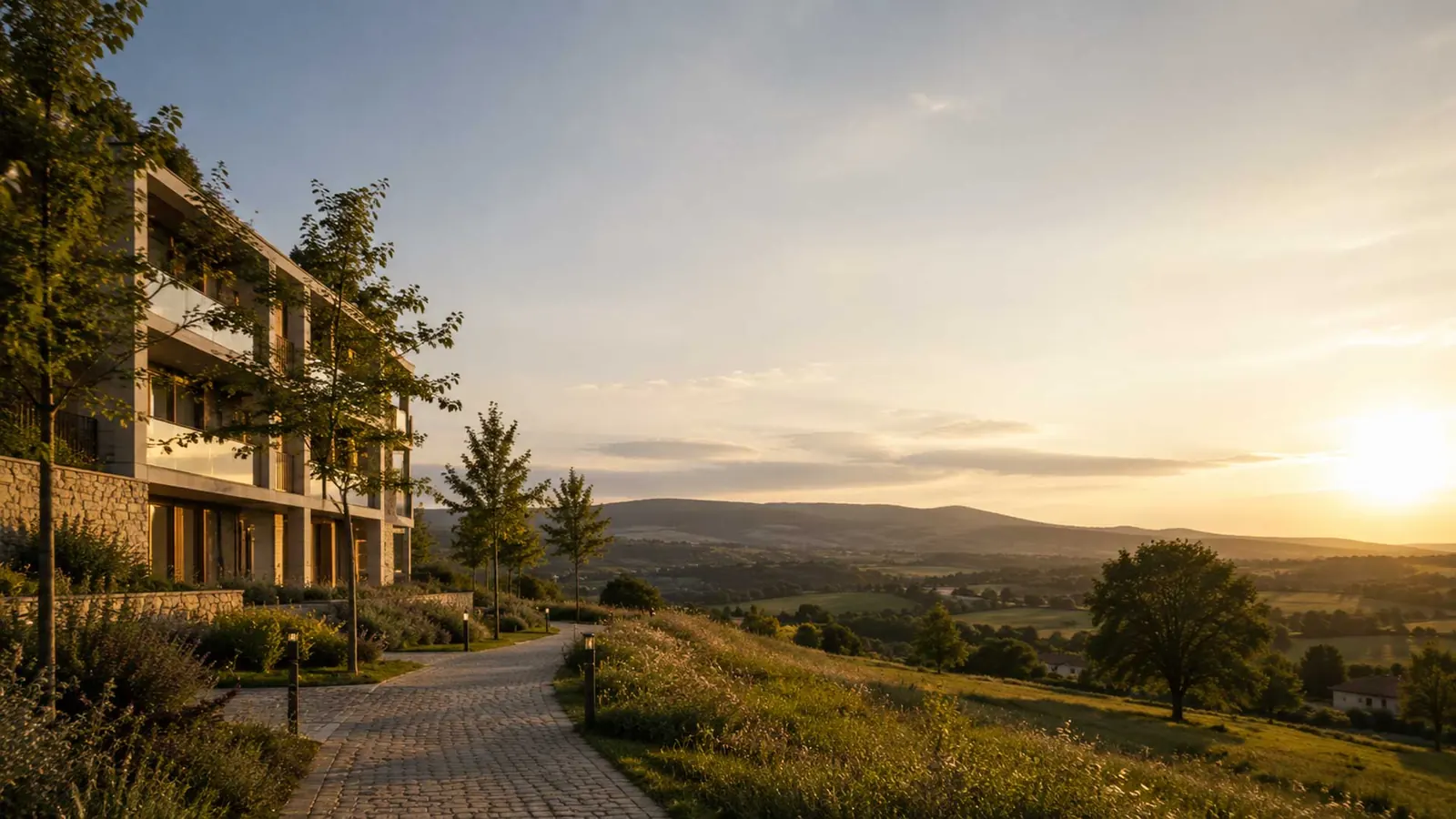
Every housing project should be assessed not only on its initial construction cost, but on the value it will create over its service life.
Energy use, maintenance, accessibility, quality of space, adaptability and integration with the surrounding area all have a profound effect on the success of an investment and on people’s quality of life.
Designing homes therefore means designing part of a community’s future, because housing will be one of the main strategic issues for regional policy in the years ahead, and because where there is adequate housing, economic opportunities grow, social ties grow stronger and places become better able to face the changes to come.
In short
What this means for those who invest in and transform places
Treating housing as infrastructure means changing the very way real estate projects are designed and developed: creating housing systems that attract people, support businesses and strengthen a region’s competitiveness.
Every project should therefore be assessed not only on its construction cost, but on the economic, social and urban value it will create over time.
Urban regeneration, residential development, the reuse of existing buildings and new forms of public-private partnership are today among the main opportunities for building places that are more attractive, more sustainable and better equipped for the challenges ahead.
