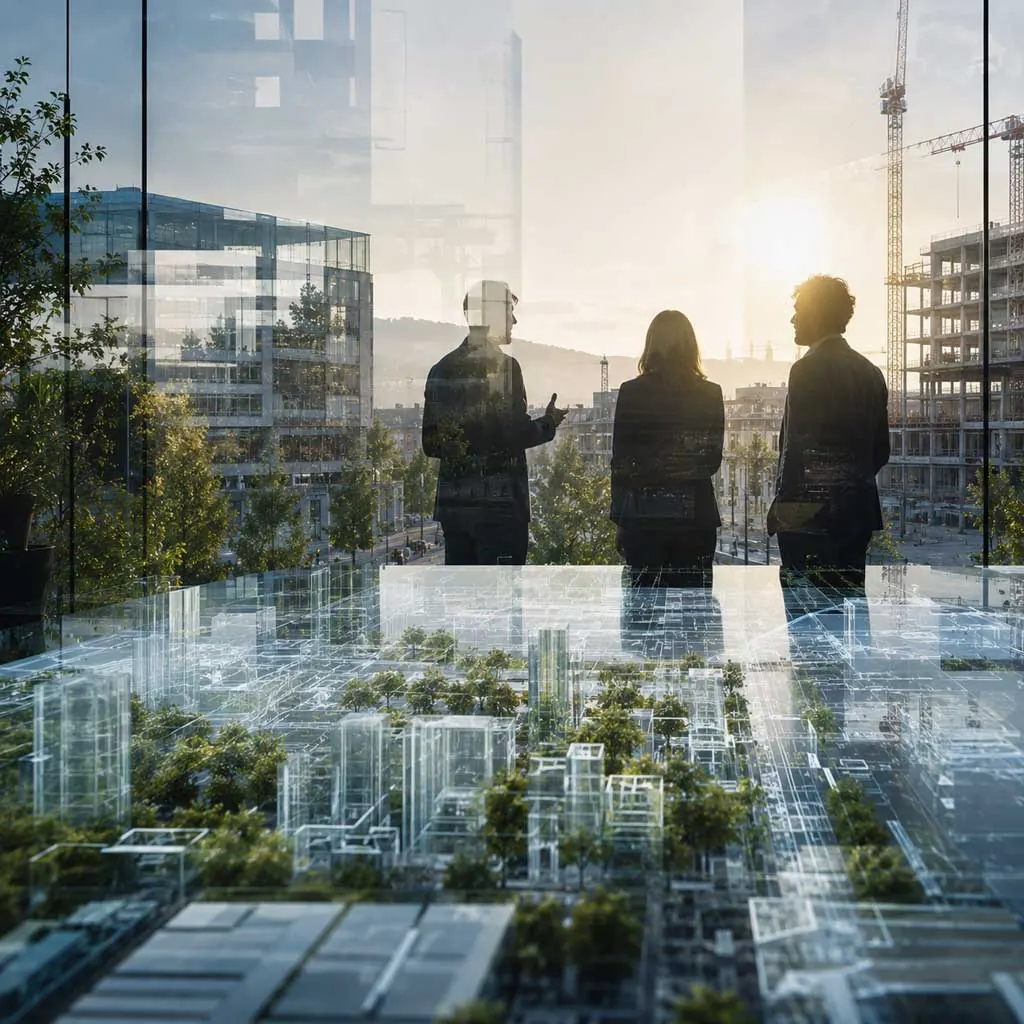


Regenerate or demolish?
How to create value through urban transformation: when to reuse what already exists, and when to demolish and rebuild.
by Massimo Rodighiero5-minute read
How to create value through urban transformation
Every urban transformation starts with a seemingly simple question. Is it better to reuse what already exists, or to demolish and rebuild? For many years the answer seemed obvious.
Demolition often looked like the most rational solution: more efficient buildings, more modern technology, fewer constraints and greater design freedom. Today the picture is far more complex.
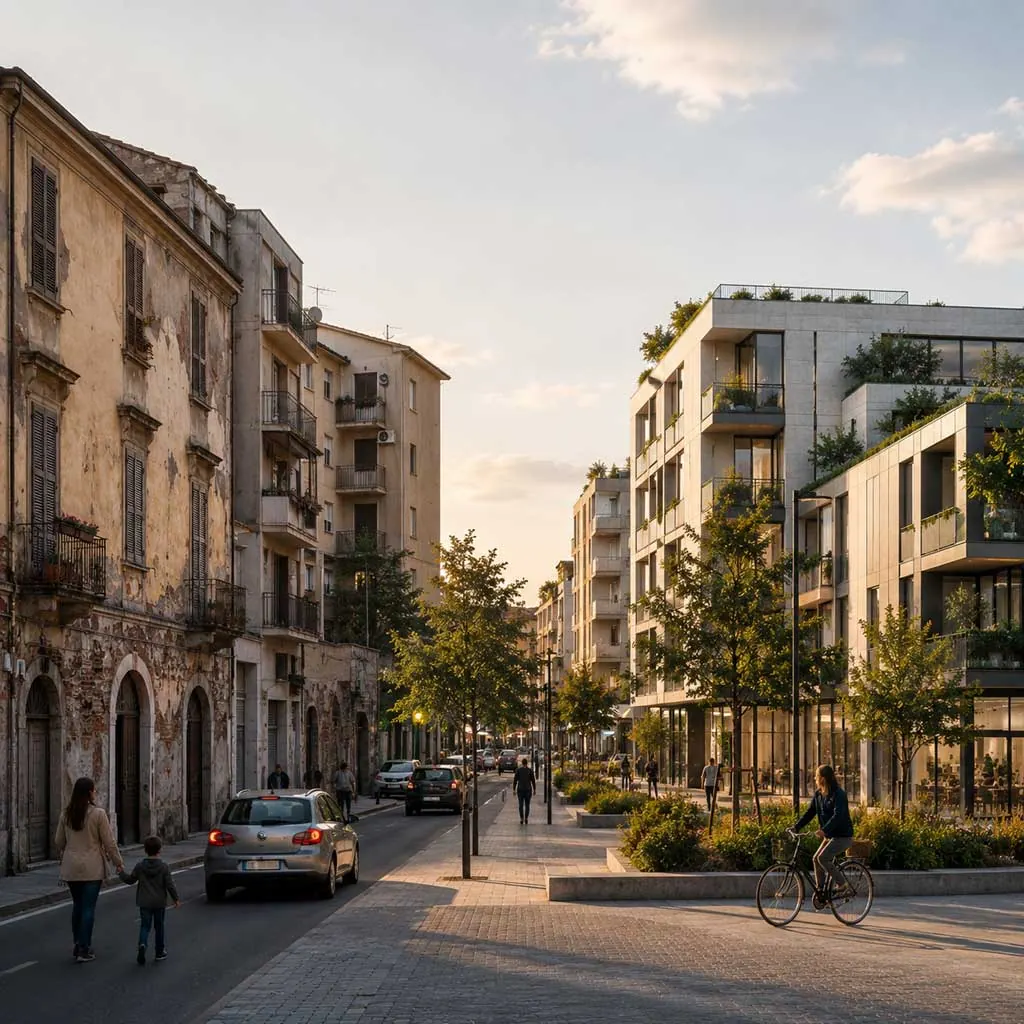
Contemporary cities are the product of economic, social and productive layers built up over time. Every building, every neighbourhood and every urban area holds not just square metres, but relationships, infrastructure, identity and opportunity.
That is why the choice between regenerating and demolishing is, first and foremost, a question of value.
Beyond the building
When looking at a disused or underused property, it is natural to focus on its condition.
Often, however, the greatest value lies in its location, in the infrastructure already in place, in its proximity to services and in the relationships it has built with its surroundings over time.
In many cases, what looks obsolete as a building actually occupies a position that would be impossible, or extremely expensive, to replicate today.
Regenerating therefore means asking not only what the building has become, but what it could become again.
Cities change function
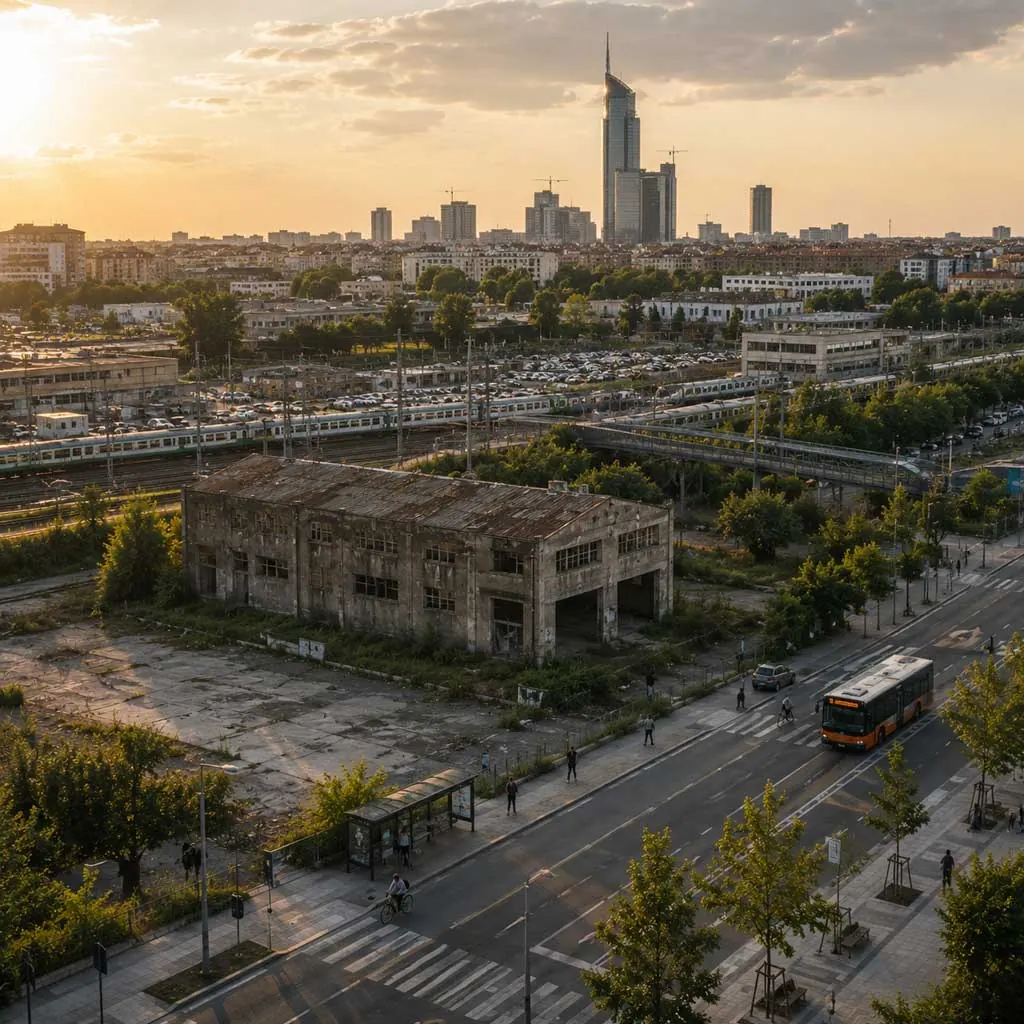
Many of the buildings awaiting transformation today were designed for needs that no longer exist.
Factories, warehouses, offices, retail buildings and production spaces may have lost their original function, but not their capacity to create value.
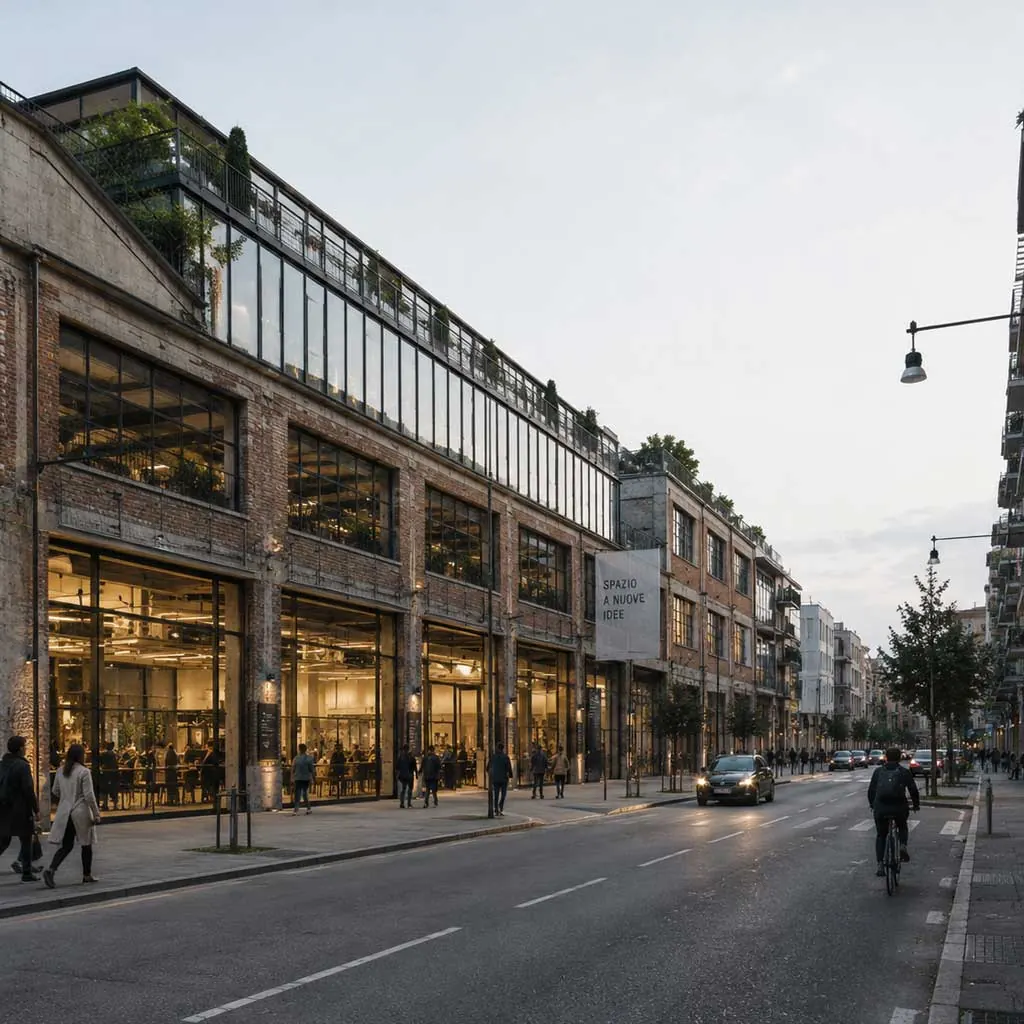
Very often, in fact, they have the hardest thing to obtain: the ability to host new functions within established settings.
Urban regeneration grows out of exactly this insight: using what exists as the foundation for building the future.
When demolition is the right choice
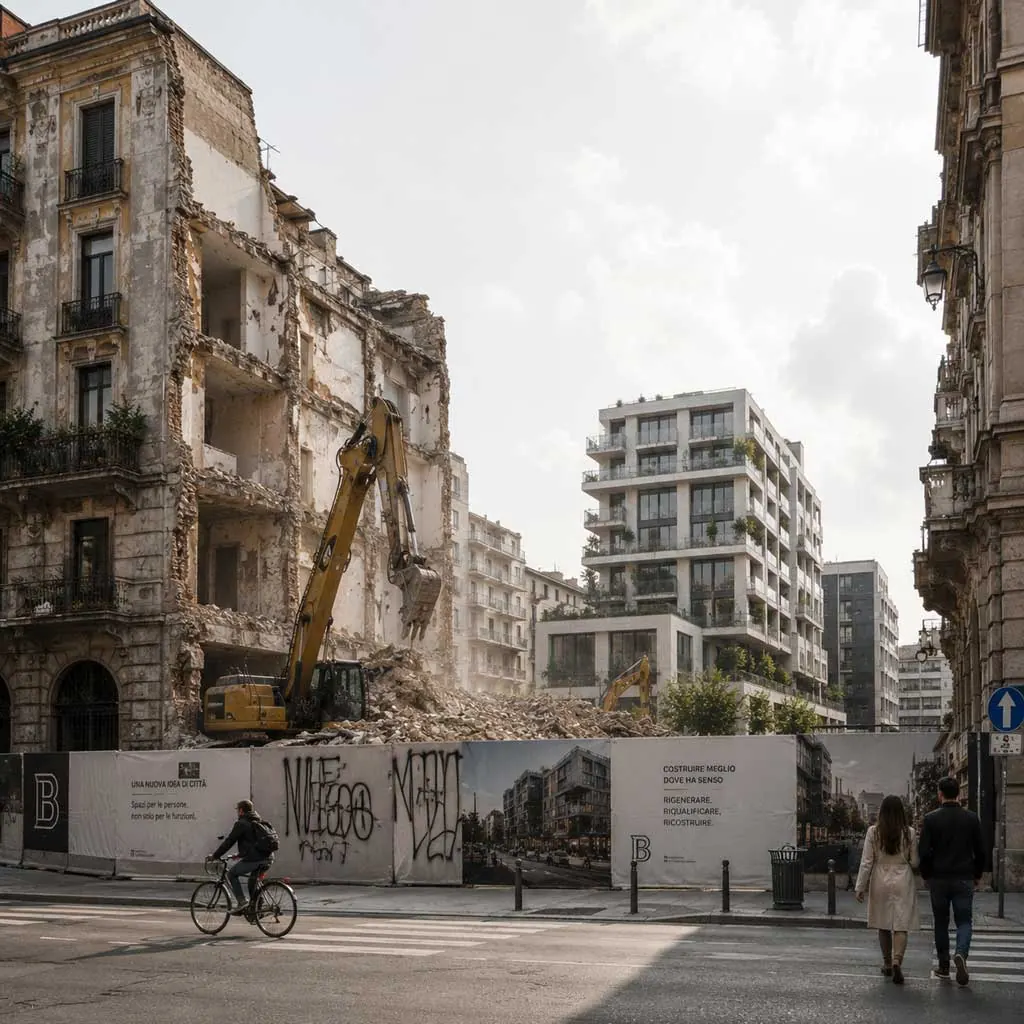
Regeneration is not always the best solution.
There are situations in which demolishing and rebuilding is the most effective choice.
This happens, for example, when the existing structure cannot be saved, the cost of upgrading is excessive, the spatial layout rules out any meaningful transformation, or the project’s objectives require a level of performance the existing building cannot reach.
In these cases, demolition can open up new opportunities and improve the overall quality of the project.
The real challenge is to avoid ideological approaches, because there are no buildings that must be kept at all costs, just as there are no buildings that must be demolished on principle.
Transformation as investment
Every regeneration project calls for a delicate balance between design quality and financial viability.
That is why design cannot stop at defining spaces.
Transformation costs, permitting timescales, operational sustainability, the target market and future development potential all have to be assessed.
Architectural quality remains fundamental, but on its own it is not enough.
A regeneration project succeeds when it creates economic, urban and social value at the same time.
Building new urban hubs
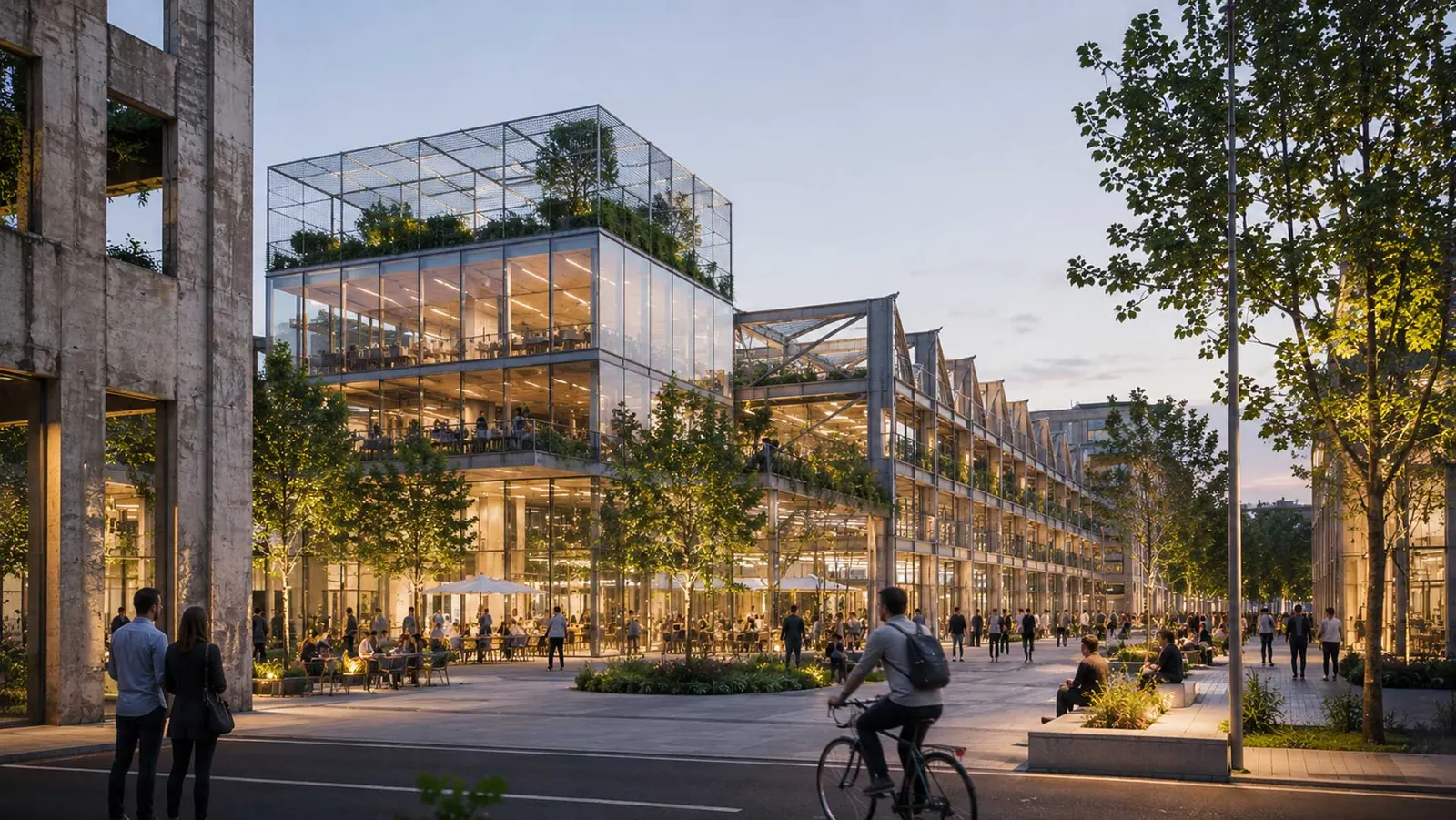
One of the most interesting aspects of urban regeneration is its ability to create new urban hubs.
More and more, contemporary cities grow by transforming from within.
Disused industrial sites, retail complexes, underused buildings and production spaces can become places that host new activities, new services and new forms of social life.
In these cases, the project takes on the responsibility of helping to redefine how people use a part of the city.
Time, resources and sustainability
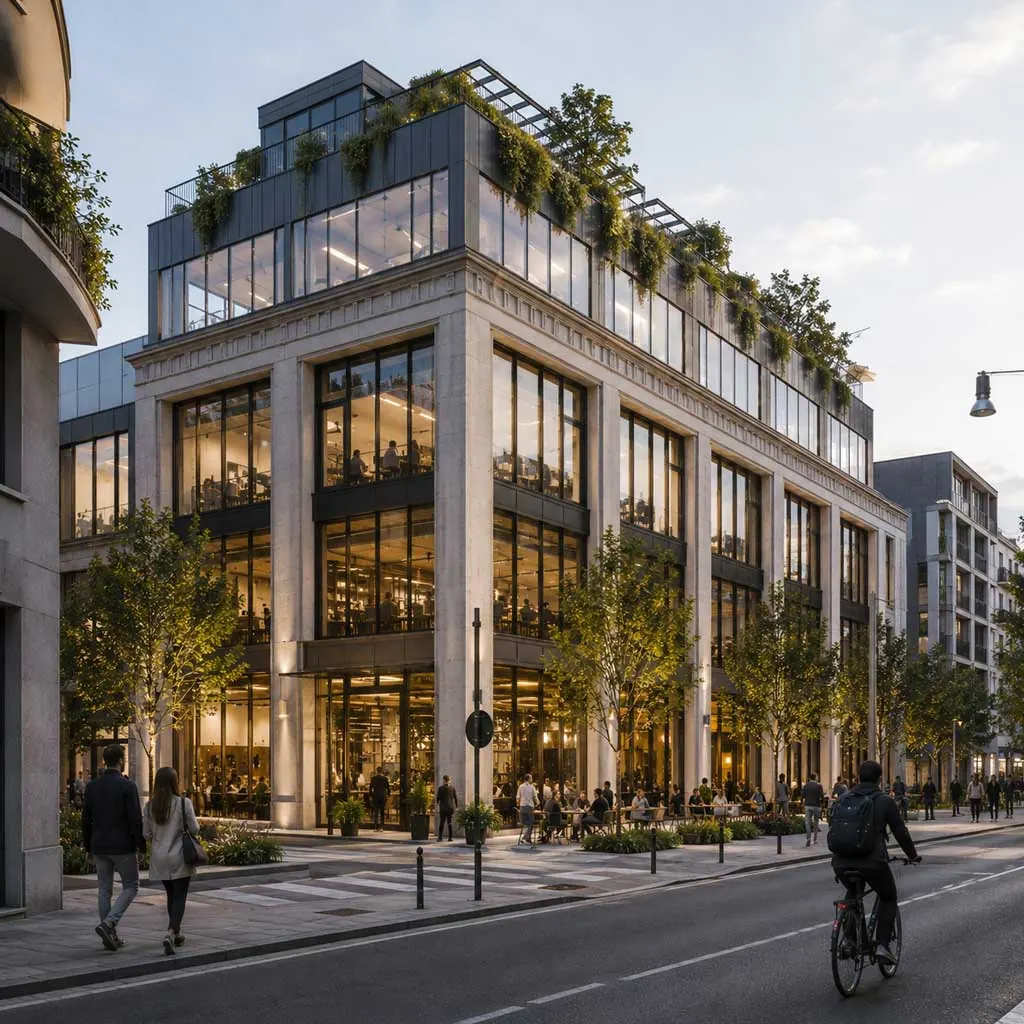
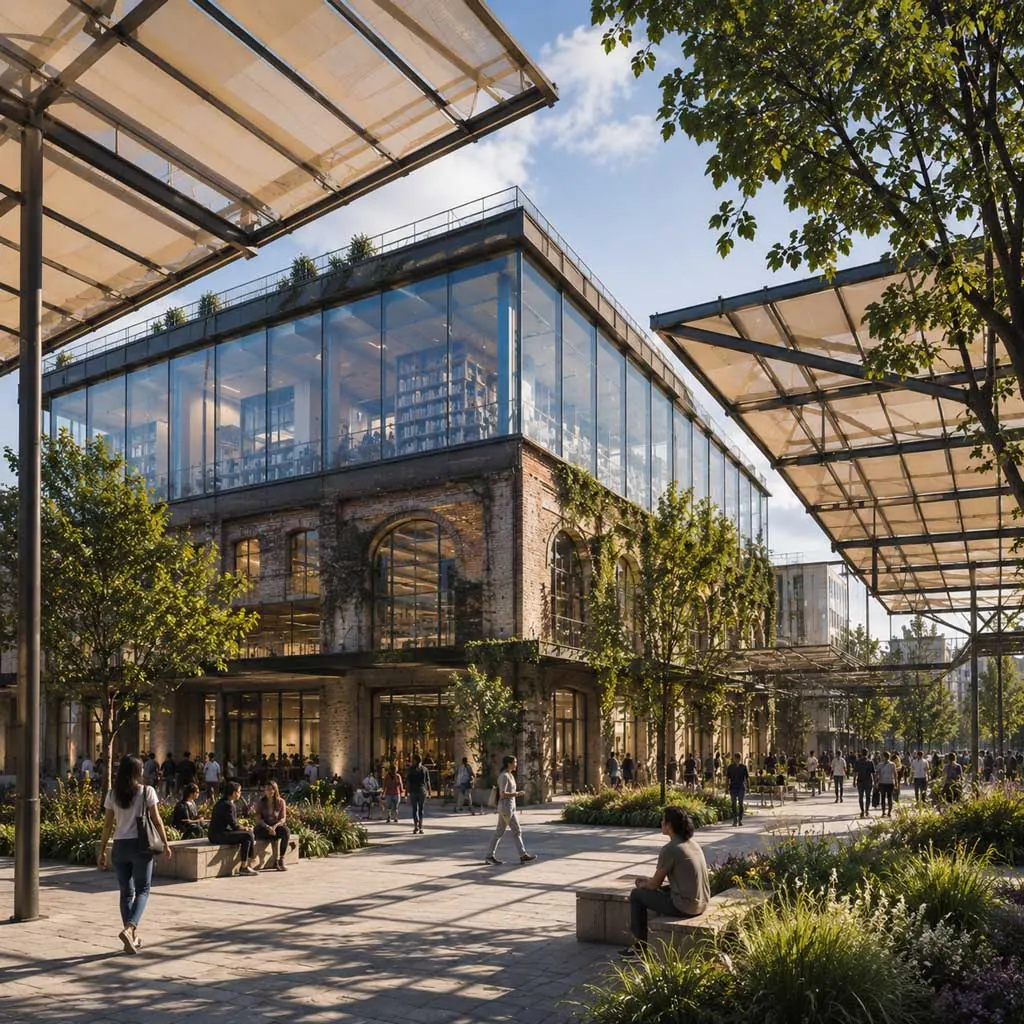
Regenerating also means dealing with an often underestimated resource: time.
Using existing infrastructure, networks already in place and established settings can speed up many processes compared with building new settlements.
At the same time, it reduces land take (opens in a new tab) and makes the most of investments already made by previous generations.
That is why urban regeneration is today one of the most effective tools for addressing economic, environmental and territorial needs together.
The future lies in the ability to transform
The cities of the future will be built above all through the ability to reinterpret what already exists.
The real question, then, is which choice can create the greatest value for the place, for people and for the investments involved.
Every urban transformation is a balance between memory and innovation. When that balance is struck, the project does more than change a building.
It helps to build a new phase in the life of a city.
In short
What this means for those who invest in and transform places
Every real estate project should start from an assessment that brings together planning, financial, technical and operational issues.
The choice between regeneration and new construction cannot be driven solely by the initial cost of the project, but by its capacity to create value over time.
Design must therefore become a tool for reading and enhancing a place, able to spot the opportunities often hidden within existing buildings, sites and infrastructure.
The best transformations are those that make better use of the resources already available to create new economic, urban and social opportunities.